

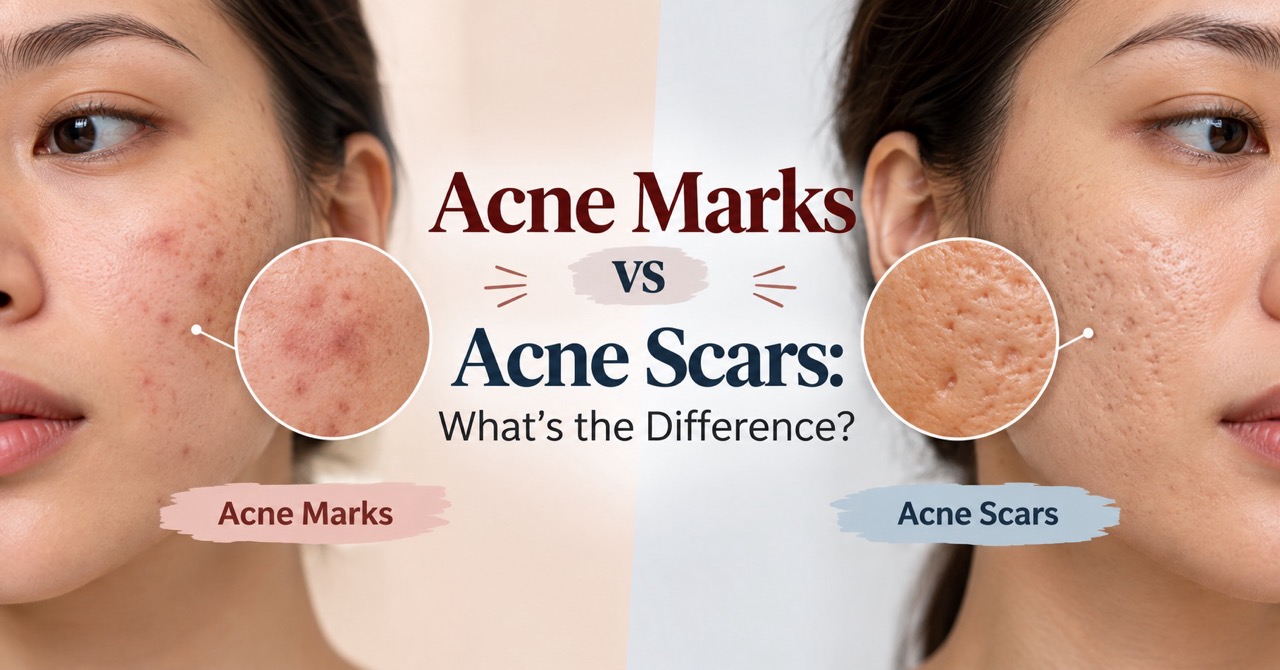



Fotona 6D before and after photos help patients understand realistic outcomes for skin tightening and resurfacing. This article explains the kinds of visible changes you may see, a typical treatment timeline, recovery expectations, and how to interpret before-and-after images so you can make an informed decision.
Fotona 6D is a combined laser protocol that uses different wavelengths and modes to address skin laxity, texture, fine lines and overall tone. When people search for “Fotona 6D before and after,” they usually want to know:
Before-and-after photos should show consistent lighting, neutral facial expression, and the same camera angle to be a useful comparison. Photos with patient consent and clear captions are the most reliable.
Fotona 6D combines non-ablative and ablative effects. Expected changes vary by the primary concern:
Fotona 6D results usually follow a two-phase pattern. Immediately after treatment, patients may notice slight tightening due to thermal effects. Over the following weeks to months, collagen remodelling leads to progressive improvement in firmness, texture and fine lines. Visible change is typically cumulative: improvements after each session build toward your final result.
Because individual healing and response vary, the number of sessions and exact timing will depend on factors such as your skin condition, age, and treatment intensity. A consultation can clarify a personalized timeline for your goals.
Below are suggested captions and alt-text examples clinics should use when publishing patient photos. Ensure written patient consent is recorded and available for each image.
Note: Do not rely on a single photo as proof of typical results. A good gallery includes multiple patients with different skin types and clear captions describing number of sessions and timeframe.
Fotona 6D sessions are performed in a medical setting by trained providers. Patients commonly feel heat and brief pulses of energy during treatment. Immediately afterward there can be mild redness, warmth or temporary peeling depending on the aggressiveness of the resurfacing component. Recovery ranges from minimal (some redness and sensation) to several days of flaking if deeper resurfacing is performed.
Because effects build over time, early photos may show minor immediate improvement while later photos reveal stronger collagen-driven changes.
Potentially good candidates are adults with mild-to-moderate skin laxity, textural concerns, fine lines, or photodamage who prefer a non-surgical option. Suitability depends on skin type, medical history, and specific goals. A consultation with a qualified provider will help determine whether Fotona 6D is appropriate and how it fits into your overall treatment plan.
If you have a history of abnormal scarring, active skin infection, or certain medical conditions, a provider will review whether laser treatment is appropriate.
If you would like to see vetted before-and-after examples and discuss expected results for your skin, review our detailed Fotona information page and schedule a consultation. Our team at Perfection Cosmetic Clinic in Toronto / North York can review your concerns, show appropriate patient photos with consent, and outline a personalized plan: Fotona 6D service details. You can also contact our clinic through the contact page to arrange a consultation.
Take a true “before” photo immediately before your first session and consistent follow-up photos at the same angle and lighting. Many patients take photos at intervals such as several weeks and a few months to document progressive change.
Some immediate improvement in tightness or skin feel is common, but the most noticeable changes often develop gradually as collagen remodels over weeks to months.
Fotona 6D can improve fine lines and mild-to-moderate laxity. Deep wrinkles or significant sagging may require surgical or combination approaches; a consultation can help define realistic expectations and options.
Photos can be informative, but results and risks (such as pigmentation changes) vary by skin type. Providers should show examples from patients with similar skin tones and explain any adjusted protocols used for safety.
Look for patient consent statements, clear timelines, and unedited images. During a consultation, ask to view original images and discuss individual suitability and expected outcomes.
To learn whether Fotona 6D may be appropriate for your goals, consider scheduling a consultation with a qualified provider at Perfection Cosmetic Clinic. We can review your skin, show vetted before-and-after examples with patient consent, and recommend a personalized plan.
